
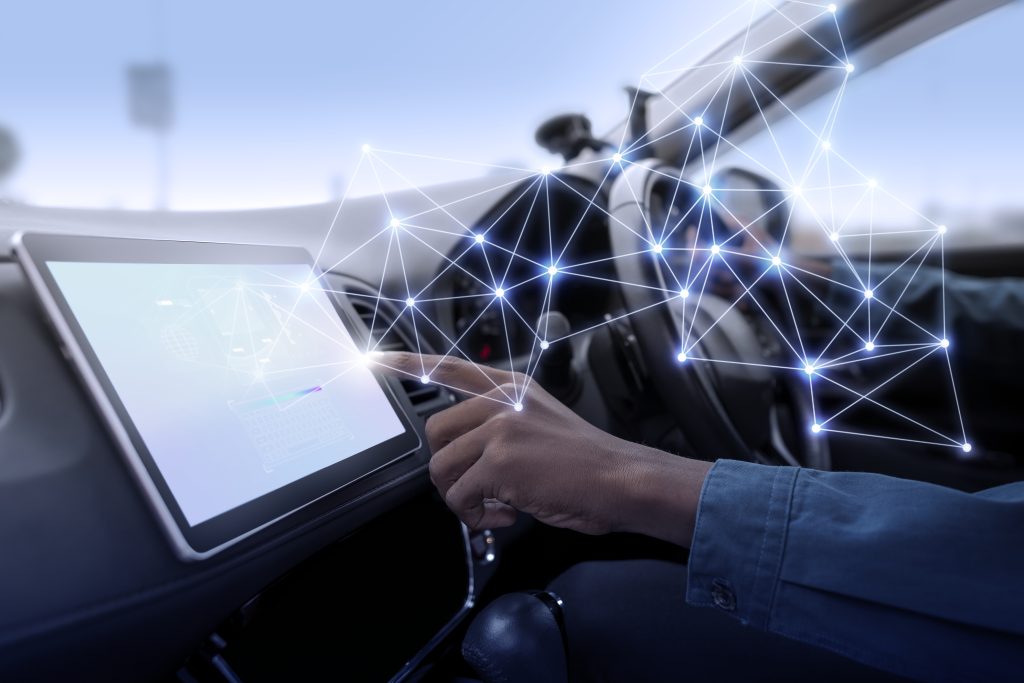
The automobile industry has entered a new era of innovation. With the rise of artificial intelligence, electric mobility, connected systems, and sustainable manufacturing, technology is transforming how cars are designed, built, and driven. Once focused mainly on mechanical engineering, today’s automobile industry integrates digital technology to enhance safety, comfort, and efficiency.
Let’s explore how technology is changing the automobile industry in 2025 and shaping the future of transportation.
The Rise of Electric Vehicles (EVs)
One of the most significant shifts in the automobile industry is the transition from internal combustion engines to electric vehicles. EVs have become a global trend due to environmental concerns, government incentives, and rising fuel costs.
Modern electric cars offer several advantages — zero emissions, instant torque, quieter operation, and lower maintenance costs. Battery technology is improving rapidly, offering extended ranges and faster charging times. Major automakers like Tesla, Tata Motors, Hyundai, and BMW are investing heavily in next-generation EVs that balance performance with sustainability.
Charging infrastructure is also expanding. Public fast chargers and home-charging stations are making electric driving more practical for everyday use. As EV adoption grows, we can expect the automobile market to become increasingly eco-friendly and efficient.
Artificial Intelligence and Automation
Artificial intelligence (AI) is redefining how vehicles think and respond. From advanced driver assistance systems (ADAS) to fully autonomous vehicles, AI is powering a new wave of automotive intelligence.
Modern cars now use AI for a wide range of functions, including:
- Predictive maintenance: detecting potential mechanical issues before they happen.
- Driver assistance: adaptive cruise control, automatic braking, and lane-keeping.
- Voice recognition: controlling infotainment and navigation through voice commands.
- Autonomous driving: interpreting road conditions and making driving decisions in real time.
Companies such as Google (Waymo), Tesla, and Mercedes-Benz are leading the charge in developing self-driving technology. Although fully autonomous cars are still being tested, semi-autonomous systems are already enhancing road safety and driver convenience.
Connected Cars and the Internet of Things (IoT)
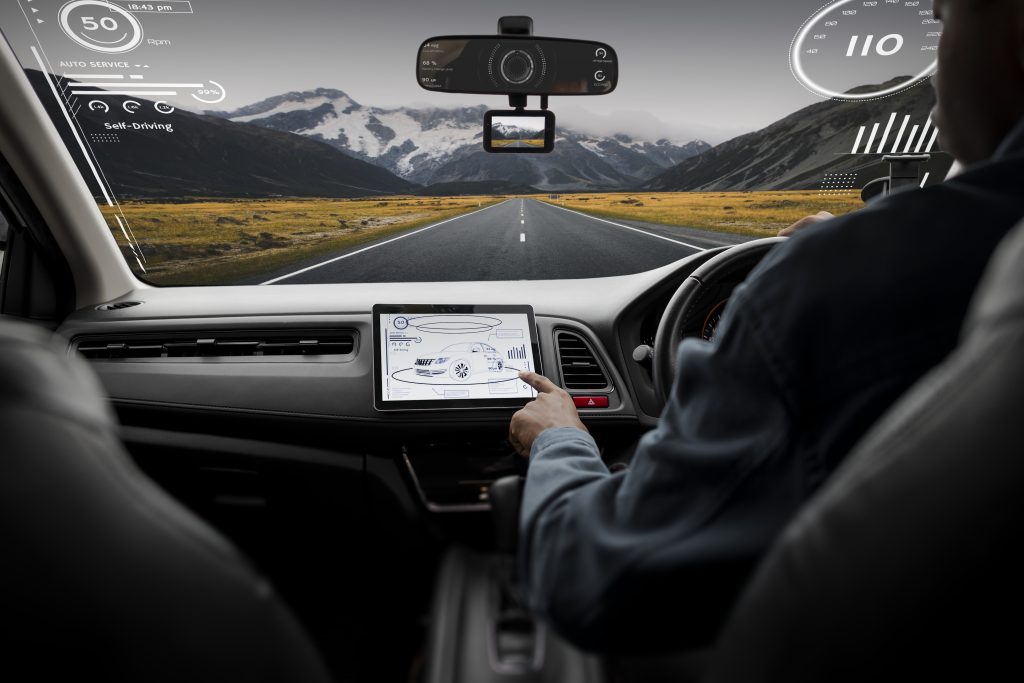
The integration of IoT (Internet of Things) is revolutionizing how vehicles interact with the world around them. A connected car can communicate with other vehicles, infrastructure, and even smartphones.
IoT-enabled vehicles offer:
- Real-time navigation updates for traffic and road conditions.
- Remote diagnostics that monitor vehicle health.
- Smart alerts for fuel levels, battery health, and maintenance schedules.
- Enhanced infotainment systems that sync seamlessly with mobile devices.
In India and globally, connected technology is helping create smart cities, where vehicles exchange information to reduce congestion, improve safety, and optimize transportation efficiency.
Advanced Safety and Driver Assistance Systems
Safety remains one of the top priorities in the automobile industry. Modern cars are equipped with intelligent systems designed to minimize human error.
Some of the most advanced features include:
- Automatic Emergency Braking (AEB)
- Lane Departure Warning (LDW)
- Adaptive Cruise Control (ACC)
- Blind Spot Detection (BSD)
- 360° Cameras and Parking Sensors
These technologies use sensors, cameras, and radar to provide real-time feedback to drivers. The combination of AI and advanced sensors is making vehicles more aware, helping to reduce accidents and protect passengers.
3D Printing and Smart Manufacturing
3D printing is revolutionizing automotive design and manufacturing. What used to take weeks to prototype can now be done in hours.
Manufacturers use additive manufacturing (3D printing) to:
- Produce lightweight yet strong car components.
- Customize designs according to consumer needs.
- Reduce waste and improve sustainability in production.
This technology allows carmakers to experiment with new materials and faster production cycles. It’s a perfect example of how technology enhances creativity while cutting costs.
Augmented Reality (AR) and Virtual Reality (VR) in Automotive Design

AR and VR are changing the way consumers and engineers interact with vehicles.
In showrooms, augmented reality allows customers to visualize vehicles in different colors, interiors, and configurations without physical models.
In engineering, virtual reality helps designers and developers simulate real-world performance and safety tests before manufacturing begins. This reduces the cost of development and improves design accuracy.
Car companies are also integrating AR into head-up displays (HUDs) — projecting key information (speed, navigation, warnings) directly onto the windshield, keeping drivers focused on the road.
Sustainable and Smart Mobility Solutions
The future of automobiles is not only about innovation but also sustainability. Manufacturers are increasingly adopting eco-friendly materials, recyclable components, and energy-efficient production processes.
Shared mobility, electric scooters, and carpooling platforms are changing how urban populations view vehicle ownership. Technology enables these systems through smart apps, GPS tracking, and payment automation.
The combination of renewable energy, AI, and data-driven systems will shape smart mobility ecosystems, where cars communicate seamlessly with roads and traffic management networks.
The Role of Big Data and Analytics
Modern vehicles generate vast amounts of data — from driving patterns to fuel usage and navigation routes. Automakers use big data analytics to understand user behavior, improve vehicle performance, and offer predictive maintenance services.
This data-driven approach helps car companies enhance customer experience and develop safer, more efficient vehicles. It also supports personalized services like insurance based on driving habits or predictive navigation assistance.
The Future of the Automobile Industry
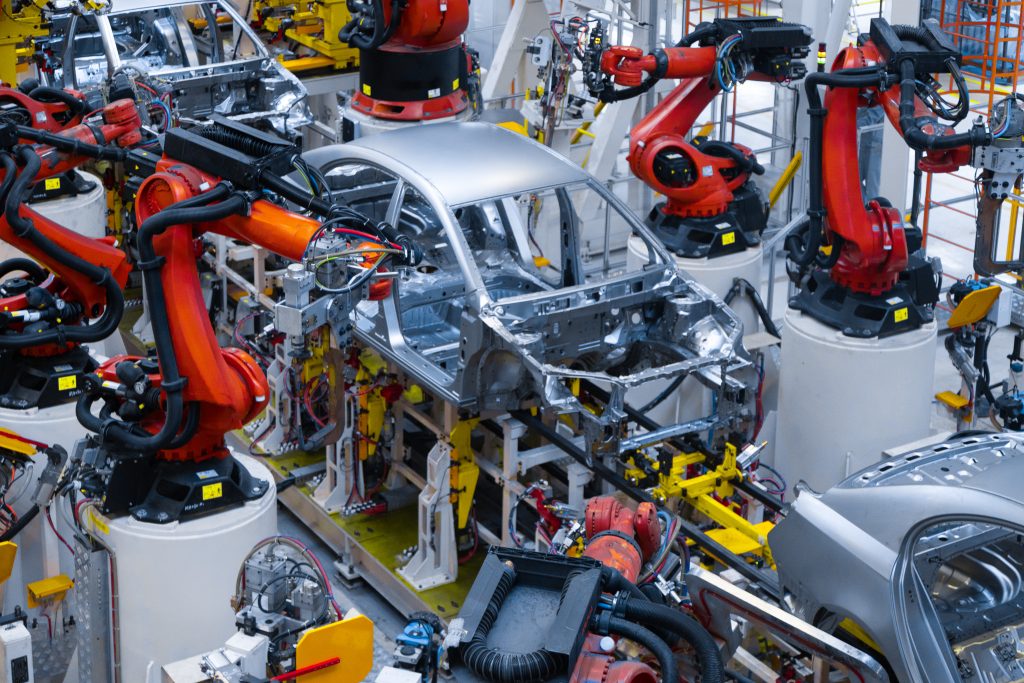
The coming decade will be dominated by digital transformation. Automobiles will become an integral part of the connected ecosystem — operating in harmony with smart homes, renewable energy systems, and urban infrastructure.
Here are some trends shaping the future:
- Electric and hydrogen-powered vehicles
- 5G connectivity for real-time communication
- Fully autonomous driving technologies
- Blockchain-based supply chain tracking
- AI-driven car personalization
As these technologies mature, the automobile industry will continue to evolve into a fully digital, sustainable, and intelligent ecosystem.
Conclusion
Technology is not just changing the automobile industry — it’s redefining it completely. From design to driving, every aspect of the automotive experience is being influenced by innovation.
Electric vehicles, AI, IoT, and sustainable manufacturing are leading this transformation, promising a safer, greener, and smarter future for mobility. As consumers, we are not just witnessing a change in cars — we are witnessing a revolution in how we move, connect, and experience the world around us.